4-8 breath for anxiety
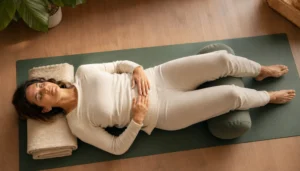
If you could only take one breathing technique to manage anxiety, this would be it. The 4-8 breath acts directly on the vagus nerve through prolonged exhalation. Here is the full technique.
If you could only take one breathing technique to manage anxiety, this would be it. The 4-8 breath acts directly on the vagus nerve through prolonged exhalation. Here is the full technique.
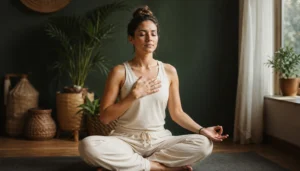
Ujjayi is probably the most-used pranayama in modern yoga and, paradoxically, one of the least taught in detail. Here is how it actually works, what effect it has and how to integrate it into your asana practice.
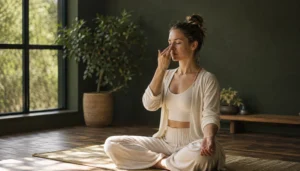
Nadi shodhana, alternate-nostril breathing, is one of the most useful pranayamas for autonomic nervous system regulation. Here is the classical technique step by step, the proper mudra, the ratios and when to practise it.
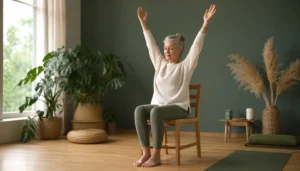
Yoga can begin at any age, and the 60-80 range is where it produces the most visible changes in quality of life. Here are the adaptations that actually work, chair and block use, and how to build a safe practice.
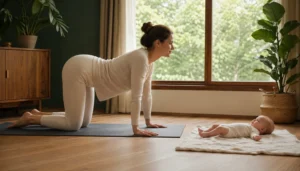
Coming back to yoga after giving birth is not resuming your previous routine. It is a specific recovery of pelvic floor, diastasis and abdominal wall. Here is when to return, what to practise and what to avoid in the early weeks.
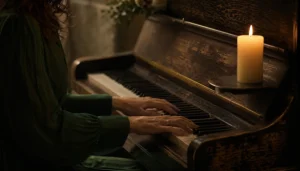
In grief there are moments when words don’t arrive yet, but the body still needs to express. Music offers that space. Here is how sound accompanies loss from music therapy and therapeutic voice work.
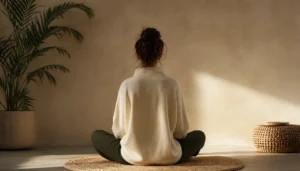
Chakras are one of yoga’s most popular concepts and one of the most misread. Here is what they are in the original tantric tradition, what modern research says, and how to work with them without spiritual dogma.
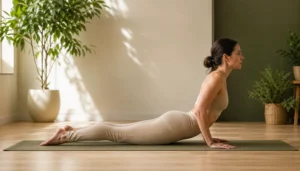
Cobra pose looks simple but it is one of the most misread. Here is the correct alignment step by step, how to find height from the mid-back rather than the lower back, and the precautions by body type.
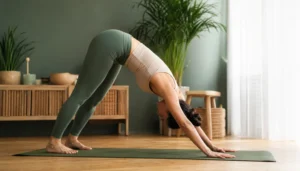
Adho mukha svanasana, downward facing dog, is the most recognisable posture in modern yoga and the most often misperformed when learnt alone. Here is the correct alignment in detail, common mistakes and modifications by body type.
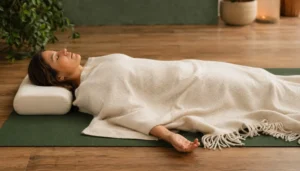
Stephen Porges’s polyvagal theory has changed how we understand trauma. Here is why certain yoga practices regulate the autonomic nervous system in people with trauma history, and how to apply it safely.
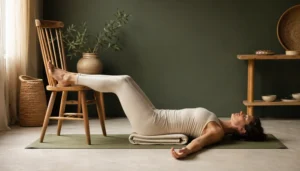
Since 2017 yoga has been one of the first-line treatments recommended for chronic back pain. Here is why it works, the specific postures to use, the ones to avoid, and how to build a safe routine.
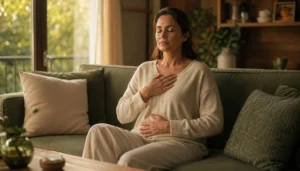
Yoga for anxiety works because it acts where anxiety lives: in the autonomic nervous system. Here are the techniques that are actually useful according to physiology, what to avoid in crisis, and when to combine yoga with psychotherapy.

Patanjali presents yoga as an eight-limbed path (ashtanga) where each limb supports the others. Here is each one in its contemporary sense, no jargon and no blind reverence, so you can see the full map of yoga.

Hatha and vinyasa are the two most widespread modern yoga styles and they’re often confused. Here is how they actually differ, what each one asks of you and how to choose between them based on your current energy and goal.

If the yamas look outward (how you relate to the world), the niyamas look inward: how you relate to yourself. Here are yoga’s 5 inner observances with examples to take them from the book into daily life.

A complete yoga practice doesn’t need 80 postures: it needs 12 basic, well-built asanas covering all the geometry of the body. Here is what they are, what each one does and why their order matters.

Sound therapy has become popular and, with that, has generated expectations that aren’t always met. Here is what it actually is, what a real session looks like, what effects it produces and when it isn’t the right tool.

Your voice is more than the channel for speech: it is one of the few organs that connects body, breath and emotion directly. Therapeutic voice works that connection. Here is what it is, its neurophysiological basis and how it is practised.

Pranayama is one of yoga’s most powerful tools and the least understood in the West. Here are the 7 key techniques, the physiological effect of each, and when to pick which breath based on what your nervous system needs.

Yoga doesn’t stay on the mat. It is a way to organise the day, to eat, to rest, to treat yourself. Here are the concrete habits that sustain a living practice off the mat without turning it into spiritual posing.